A company that builds new startups again and again, with its own team, playbook and capital. Wall & Fifth builds its own, and builds them with founders.
The term gets stretched. At heart it describes a company whose product is other companies: it has the ideas, the people and the process to start new businesses again and again, rather than once.
Wall & Fifth is one. We build and run our own ventures, and we build new ones with founders.
A venture builder is a company that repeatedly creates new startups. It supplies some or all of the idea, the team, the shared services and early capital, builds the product, and usually holds a significant equity stake in each company it creates.
Same loop, different deal. The type decides who brings what, and who owns the company at the end.
The studio's own idea.
The builder comes up with the idea, validates it and builds it, then recruits a founder-CEO to run the company. Because it brings almost everything, the studio usually keeps the largest stake.
A founder brings the idea and the market knowledge. The builder joins as a hands-on co-founder, supplying product, design and engineering in exchange for equity, cash or both.
An established company uses a venture builder to launch a new product or business line outside its core, with the speed of a startup and the customers, brand and budget of the parent.
Idea and budget from the company
Builder runs the build
Usually paid as fees
Best for businesses launching something new
Who brings what
W&FCorporate
New venture, existing company.
01IdeaCompany02BudgetCompany03Product teamBuilder04Customers and brandCompany05OwnershipCompany
Paid asFees
Illustrative split
Built for you. Owned by you.
The builder designs, builds and launches the venture for an agreed price, and the founder keeps the company. It suits founders who have the idea and the funding, and want a senior team without giving away a co-founder's share. This is how Wall & Fifth builds with founders.
That's the point of the model. A good venture builder kills weak ideas cheaply, with interviews, landing pages and pre-sales, before a single screen is built. If yours isn't ready, we'll say so.
Wall & Fifth as a venture builder
We build our own. That's the proof.
Every venture we own was designed, built and run by the same senior team that builds for founders. It's where our playbook comes from.
A focused first product, web or mobile: designed, built and launched, with the scope fixed up front.
Bigger ventures
Quoted
Marketplaces, multi-sided platforms, payments and AI products, scoped to the venture.
Partnership
From£10,000/month
The Product & Technology Partnership: the same team keeps shaping, designing and building the product once it's live.
You own your data and the custom deliverables agreed in your contract. Reusable components and third-party software retain their licences. The proposal specifies any retained IP, licensing, hosting and exit terms before work starts.
Who you work with
Senior people, in the room.
You work directly with the people designing and building your venture, not an account manager passing messages along. Decisions get made in the conversation, not three emails later.
A venture builder is a company that repeatedly creates new startups. It supplies some or all of the idea, the team, the shared services and early capital, builds the product, and usually holds a significant equity stake in each company it creates.
What does venture builder mean?
It means an organisation whose product is new companies. Instead of advising or investing from the outside, a venture builder does the building itself: validation, design, engineering, hiring and launch. The term is used interchangeably with venture studio, startup studio and company builder.
What is the venture builder model?
A repeatable loop: find an idea, validate it, build the product with a shared team, spin it out as its own company with a CEO, then start again. Venture builders usually make money through equity in each company, sometimes topped up by build fees or a fund.
Is a venture builder the same as a venture studio?
In practice, yes. The two terms are used interchangeably, along with startup studio and company builder. Some people reserve venture builder for firms that also build ventures for founders or corporates, and venture studio for firms that only build their own ideas, but there is no fixed rule.
How is a venture builder different from an accelerator?
An accelerator runs a fixed programme, often around three months, for startups that already have a team, and typically takes 5 to 10% equity in exchange for a small investment, mentoring and introductions. A venture builder is involved before the company exists and does the building itself, so studios typically hold more, often 30 to 60%.
How much equity does a venture builder take?
Studios typically hold 30 to 60% of each company they build, because they act as a co-founder: idea, team, infrastructure and early funding. Founder-partnered deals vary with how much each side brings. Fixed-price builders work differently: the founder pays for the build and keeps the company.
What is a venture agency?
Venture agency is not a fixed term. People usually mean either a venture builder that builds startups with founders, or an agency that specialises in startups. The difference that matters is the deal: an agency charges a fee for a defined deliverable, while a venture builder is involved in the company itself, usually for equity.
Is Wall & Fifth a venture builder?
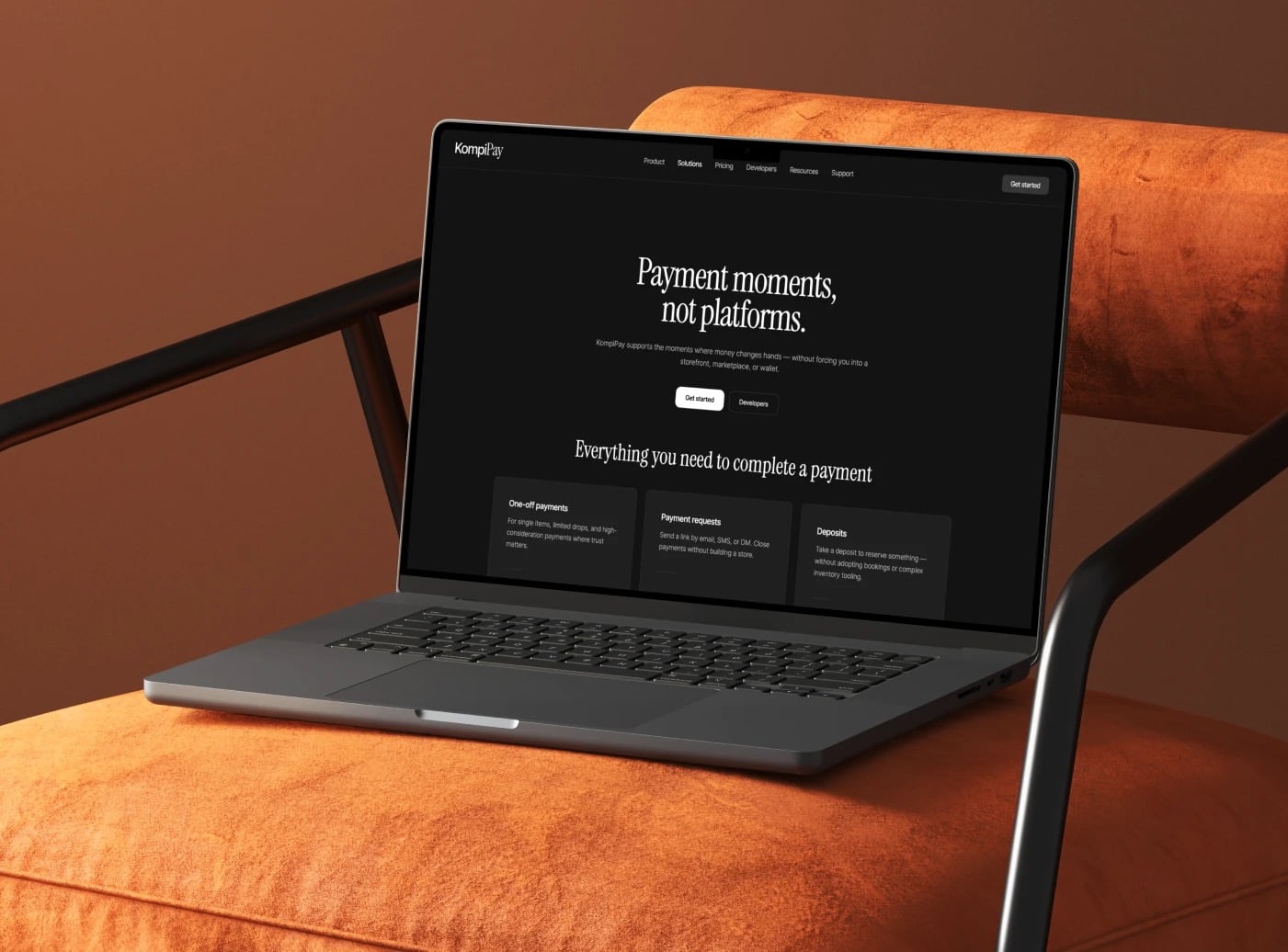
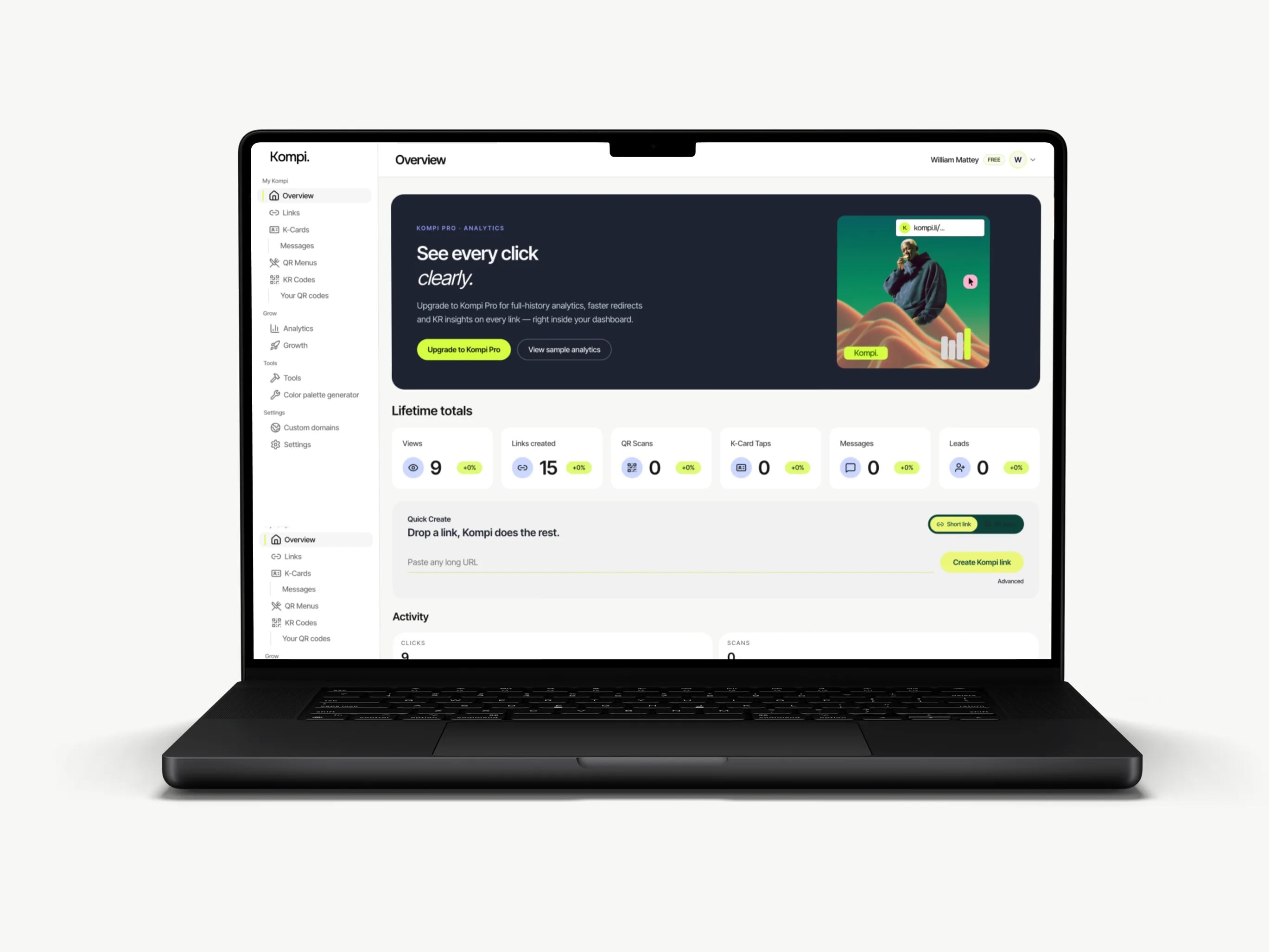
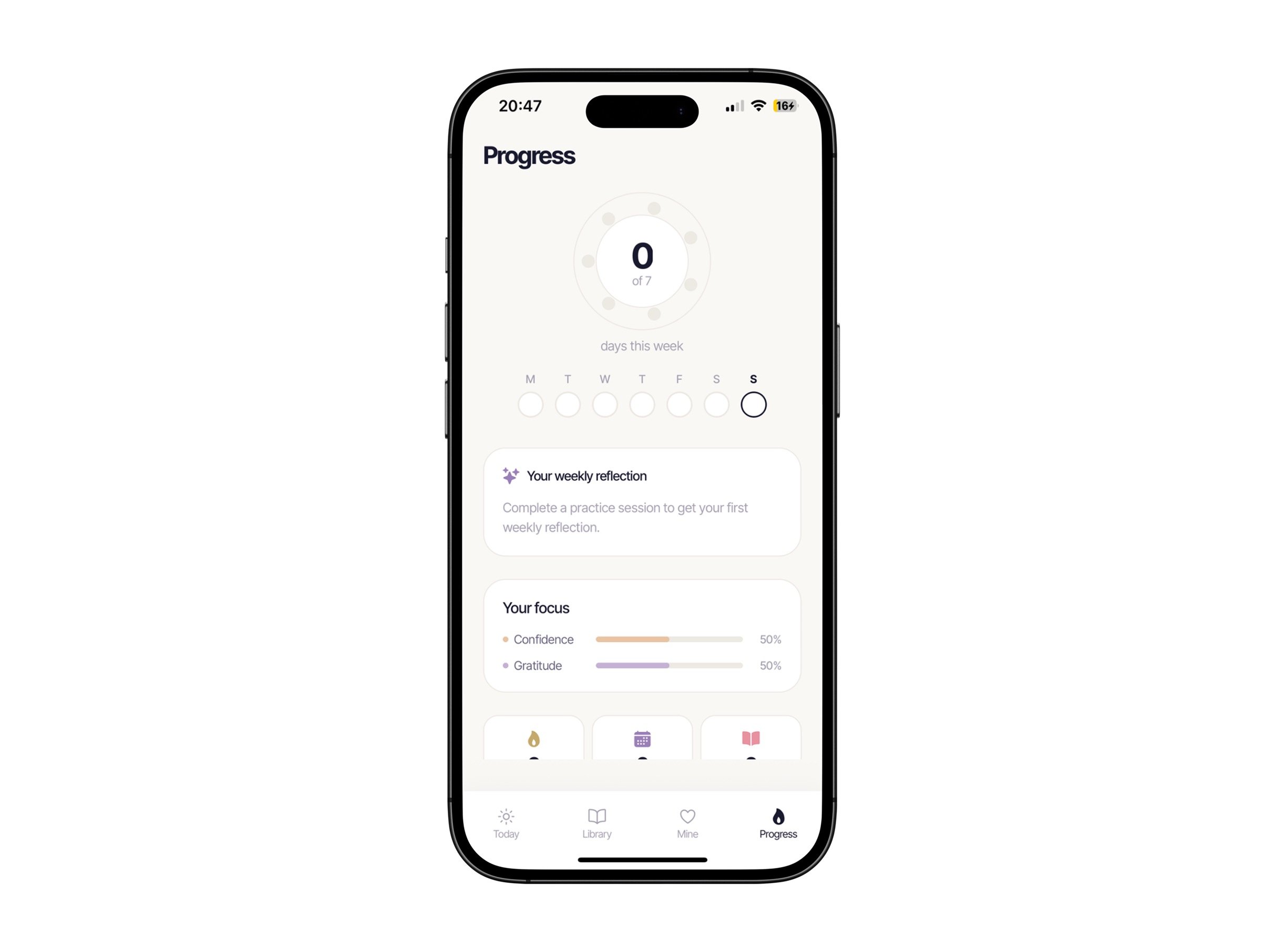
Yes. Wall & Fifth designs, builds and runs its own ventures, including KompiPay, Kompi.App and jottt, and builds new ventures with founders and businesses. The same senior team does both, so what we learn running our own products goes straight into the ones we build for others.
How does Wall & Fifth work with founders?
On a fixed price, agreed before work starts. New product builds start from £30,000, a focused first product usually takes around eight weeks, and you own your data and the custom code agreed in your contract. After launch, a monthly retainer keeps the same team improving the product.
Do venture builders work with existing companies?
Yes. Corporate venture building is a common model: an established business uses a venture builder to launch a new product or business line outside its core, with the speed of a startup. We build new digital products and platforms for businesses launching something alongside their existing operation.
Tell us the idea, the market and where you are. We'll tell you honestly whether it's ready to build, what the first version should be and what it costs.