We design and build platforms that many businesses run under their own name, with their data kept apart and every update shipped to all of them at once.
A custom build serves one customer. A platform serves the next hundred.
Copying a product for each new customer is faster once. After that, every fix, security update and feature has to be done in every copy. One multi-tenant codebase reverses that: the next customer is close to free to add.
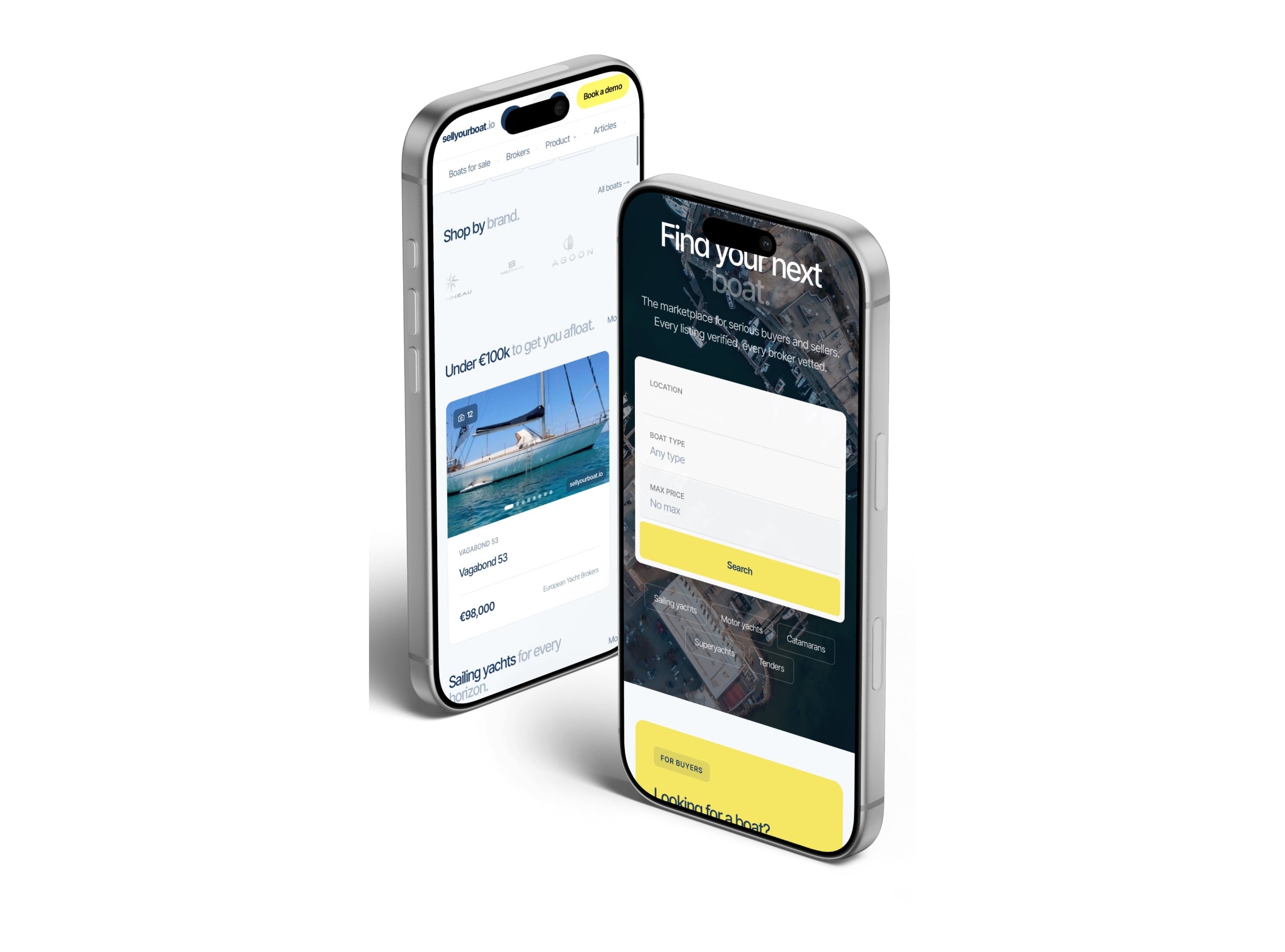
SellYourBoat.io began as branded listing software for a single brokerage. A second broker asked for the same thing, then a network of regional brands did. That's the point where a bespoke project has to become a product or become a maintenance burden. We led the move to one multi-tenant platform.
Illustration · how SellYourBoat.io configures each tenant
Brand is configuration, not code.
A master dashboard sets up each tenant with isolated data plus its own logo, colours, domain, publishing connection and email settings. Brand colours are stored per tenant as CSS custom properties, so the same code renders entirely distinct experiences, and tenants never bleed into each other.
Every brokerage that joins SellYourBoat.io adds its published inventory to a public marketplace automatically, with no separate upload. More tenants means more listings for buyers, which becomes the reason the next brokerage joins. If your tenants' data might one day be combined, the structure has to allow for it from day one.
It's the first architecture call on any multi-tenant platform, and the hardest to change later. We make it with you, based on your tenants, not on habit.
One database, every row tagged.
Every table carries a tenant ID and every query is scoped to it. Access is enforced in the database itself, not only in the app, so a mistake in one screen can't expose another tenant's data. It's the cheapest to run and the simplest to update.
Lowest running cost
One update for everyone
Isolation enforced in the database
Best for many small or mid-sized tenants
HarbourNorthwindMora
One database · every row tagged with its tenant
Access checked in the database itself, so one tenant can never read another's rows.
Most platforms start here
Each tenant on its own.
Every tenant gets its own database. Isolation is strongest, and exporting or deleting one tenant's data is simple. It costs more to run, and every structural change has to roll out across every database.
Strongest isolation
Simple per-tenant export and deletion
Per-tenant performance and location
Best for a few large or regulated tenants
HarbourNorthwindMora
Harbour database
Northwind database
Mora database
For strict isolation or compliance
Shared by default, dedicated on demand.
Most tenants share; the few who need it get their own database, behind the same codebase. It's a common next step once a platform starts winning larger customers with stricter requirements.
Shared by default
Dedicated for enterprise tenants
One codebase either way
Decided per tenant, not once for all
HarbourNorthwindMora
Shared database
Dedicated
Where growing platforms often land
Proof, not a pitch
SellYourBoat.io. Built and run by us.
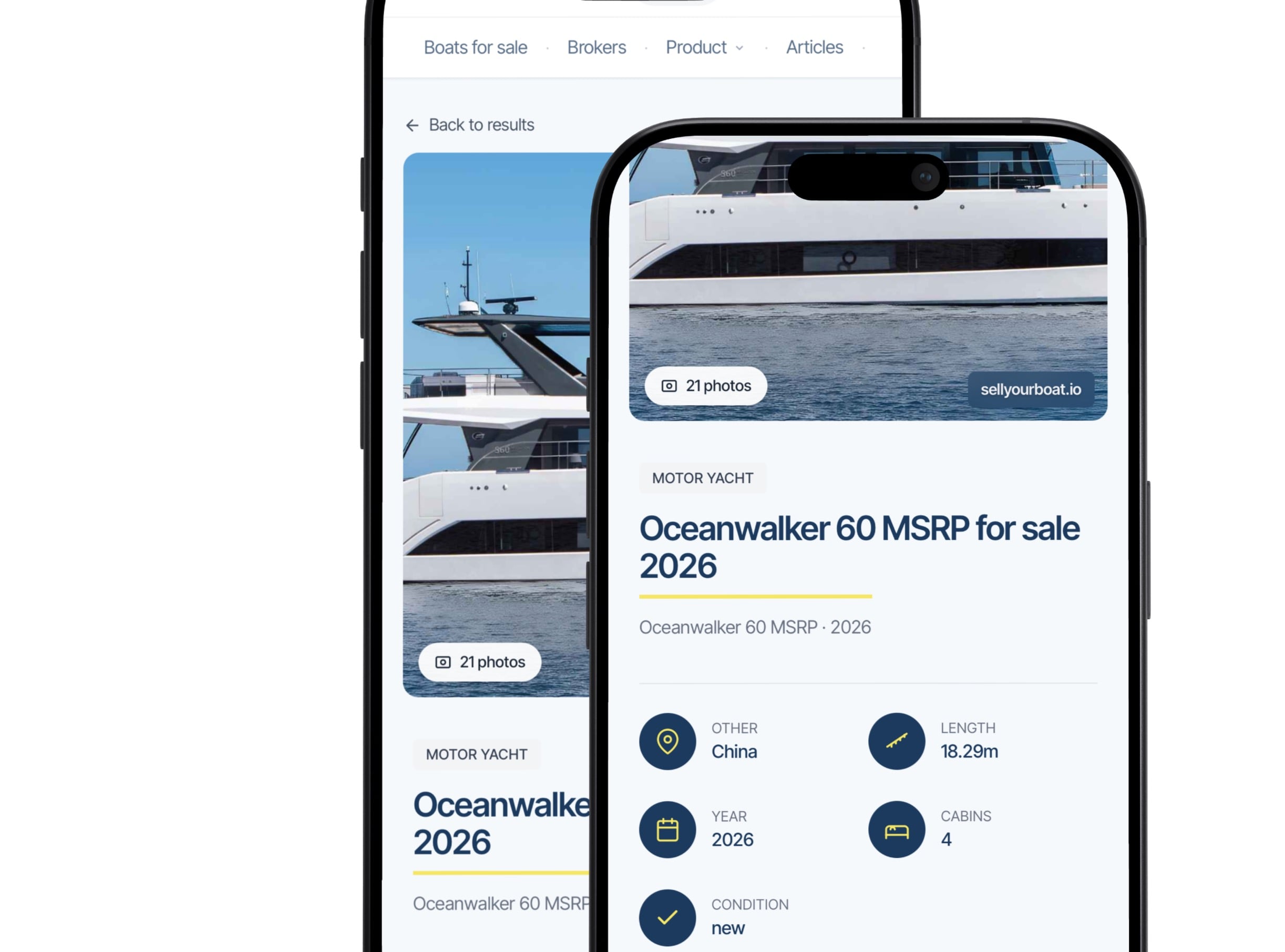
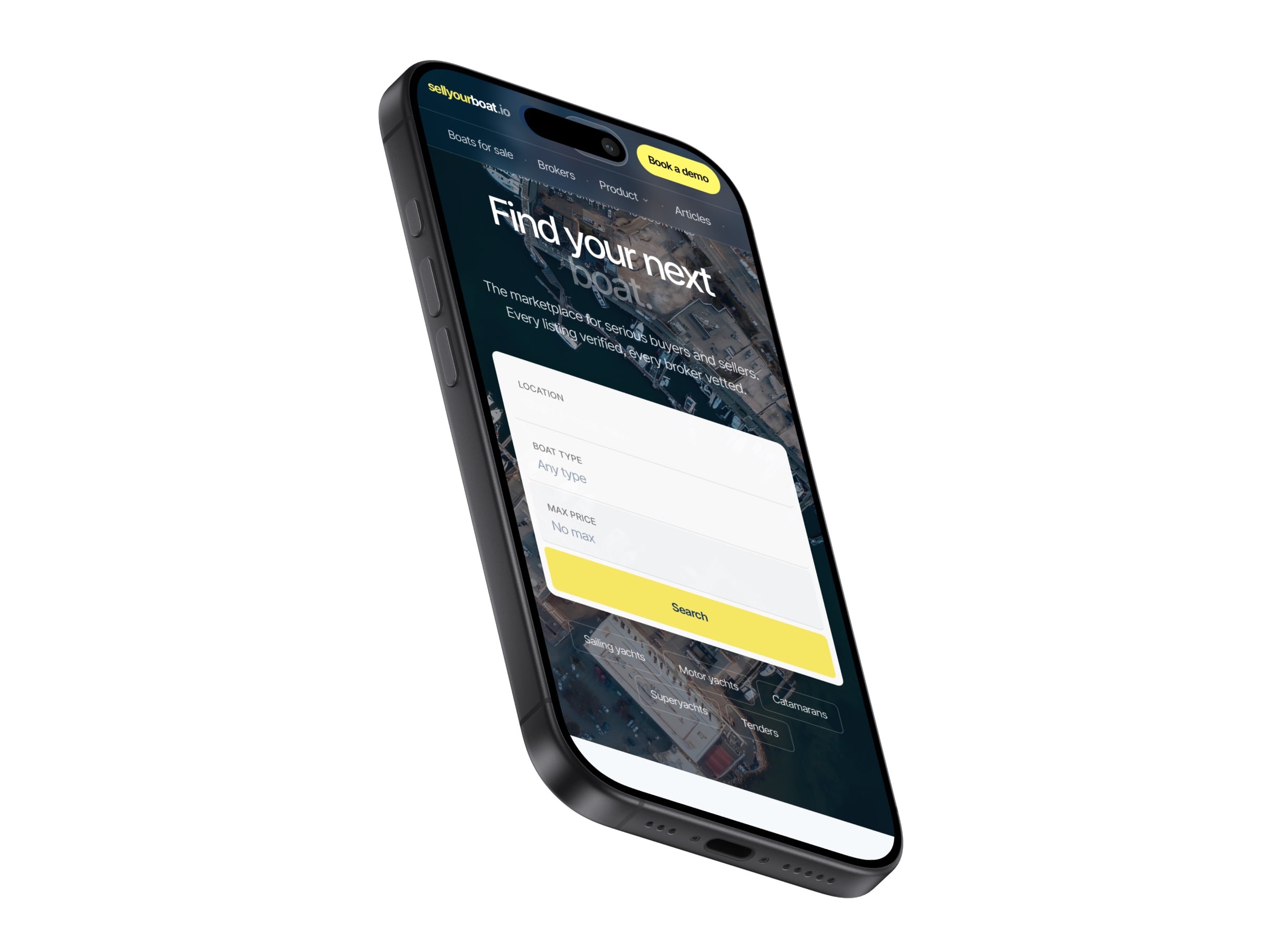
A Wall & Fifth-owned platform: white-label listing software for brokerages, with a public marketplace on top that aggregates every tenant's inventory.
A focused product with the tenant model, branding and isolation designed in, ready for its first customers.
Full platform
Quoted
Tenant set-up, billing and plans, platform admin, integrations and any cross-tenant features, scoped to your model.
Embedded Partner
From£8,000/month
Ongoing senior involvement once it's live: new tenant features, performance and the roadmap.
You own your data and the custom deliverables agreed in your contract. Reusable components and third-party software retain their licences. The proposal specifies any retained IP, licensing, hosting and exit terms before work starts.
A little more clarity
Good questions. Straight answers.
What to know before building a white-label platform.
White-label SaaS is software one company builds and other businesses run under their own brand: their logo, colours, domain and email. Each of those businesses is a tenant. They share one codebase and one platform, but each sees what looks like its own product, and none can see another's data.
What's the difference between multi-tenant and white-label?
Multi-tenant describes the architecture: one application serving many customers with their data kept separate. White-label describes the presentation: each customer gets the product under its own brand. Most white-label platforms are multi-tenant underneath, but a multi-tenant product doesn't have to be white-label.
When should a custom build become a multi-tenant platform?
When a second customer asks for the same thing. Running separate copies for each client means every fix and feature is done several times, and costs grow with every client. Moving to one multi-tenant codebase makes the next customer close to free to add. That was the turning point for SellYourBoat.io.
How do you keep tenants' data separate?
Every record belongs to a tenant, and access is enforced in the data layer, not just hidden in the interface. We choose between a shared database with tenant-scoped records and separate databases per tenant based on your isolation, compliance and scale requirements, and test that one tenant can never read another's data.
How much does it cost to build a white-label SaaS platform?
New product builds start from £30,000. Multi-tenant platforms are quoted individually according to the tenant features, branding depth, billing, integrations and administration required. We agree the fixed price, scope and delivery schedule before work starts.
Have you built one?
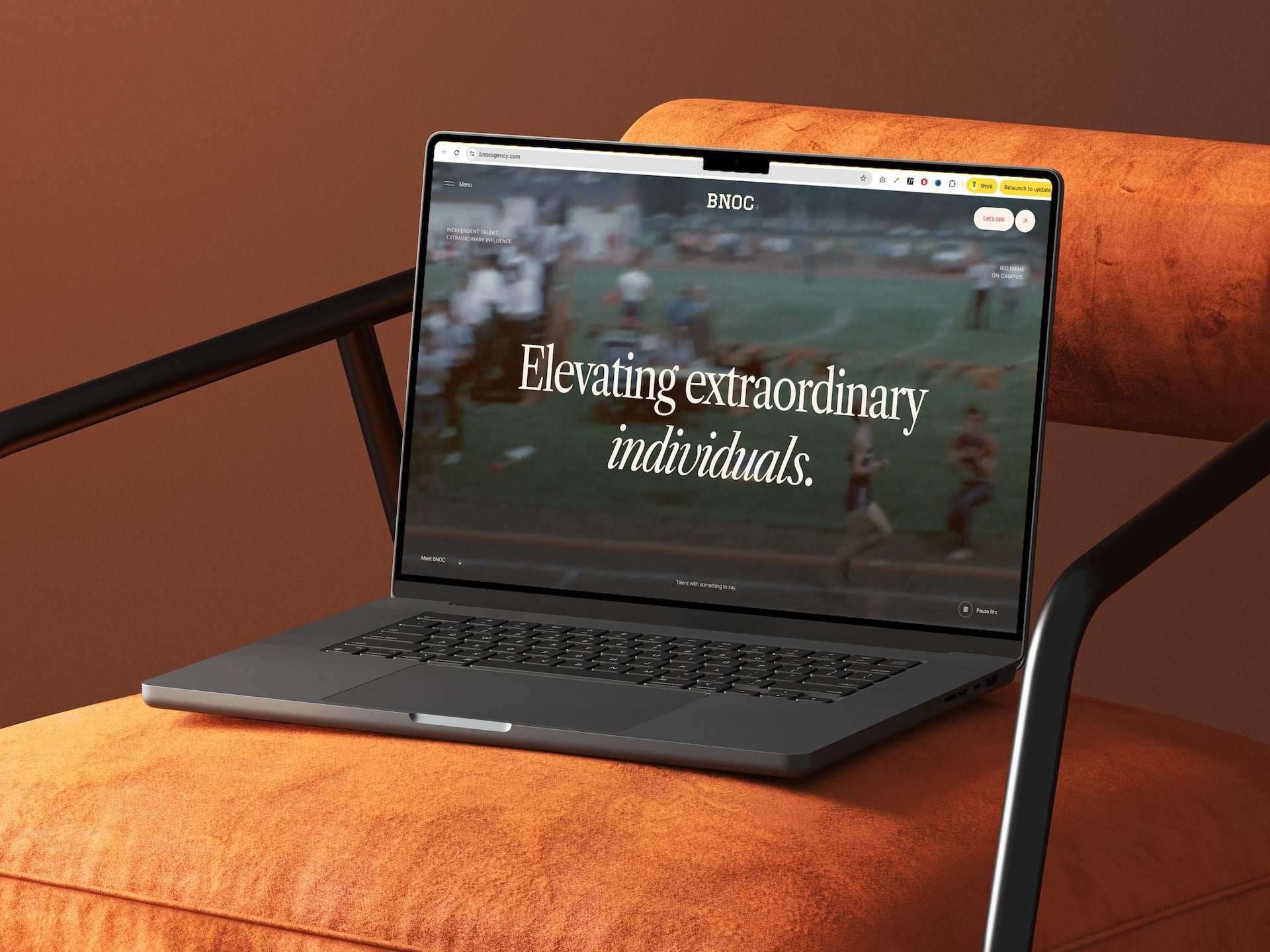
Yes. SellYourBoat.io is a Wall & Fifth-owned platform: white-label listing software that brokerages run under their own brand and domain, with a public marketplace that aggregates every tenant's published inventory. It carries over 12,000 listings from more than 100 vetted brokers across 18 countries. BNOC's custom CRM also runs on Meibo, our own reusable CRM platform.
Tell us who your tenants are and what each needs to control. We'll scope the tenant model, price it and build a platform that gets cheaper to run with every customer.