Product strategy
consultant.
Then we build it.
Commercial priorities, product decisions and a roadmap your team can act on, designed and built by the same people who shaped it.
Discuss a partnershipThe short answer
What a product strategy
consultant does.
A product strategy consultant helps a business decide what its product should do next, and why. The work turns commercial goals into product decisions: which problem to solve, for whom, what the next release includes and how success will be measured.
Good product strategy is specific. It names the customer, the problem and the trade-offs, and it says what will not be built yet. It ends in decisions a team can act on this month, not a deck that is out of date by the next one.
Most consultants stop at the recommendation. We stay for delivery, so the strategy is tested against real design and engineering constraints rather than handed over.
When you need product strategy
Six signs it's time
to decide properly.
Product strategy earns its keep when activity has stopped turning into progress, or just before a budget is spent.
The roadmap is a list of requests.
Every stakeholder's idea is on it, and nothing says why one comes before another.
Features ship. Numbers don't move.
Releases go out on time, and adoption, conversion or retention stay exactly where they were.
Nobody can say what the next release is for.
Ask three people and you get three answers, or none at all.
The loudest customer sets the backlog.
The next deal or the biggest account decides what gets built, one promise at a time.
It works, but people don't adopt it.
On paper the product does what it should. In practice, people never reach the point where it's useful.
A build budget is about to be spent.
A new product or a rebuild is coming, and the decisions that shape it haven't been made yet.
Prioritisation
Value against effort.
Then the hard part.
Plotting ideas by commercial value and delivery effort shows the obvious wins and the obvious traps. That's the easy bit.
The real work is deciding what doesn't get built, agreeing it with the people who asked for it, and writing down why, so the decision survives the next meeting.
- 01Which problem, for which customer?
- 02What does the next release need to prove?
- 03What are we choosing not to do?
- 04How will we know it worked?
Product decisions from our work
Strategy you can see
in the product.
Product strategy shows up as decisions. These come from products we've designed and built, with our role in each.
Explore our work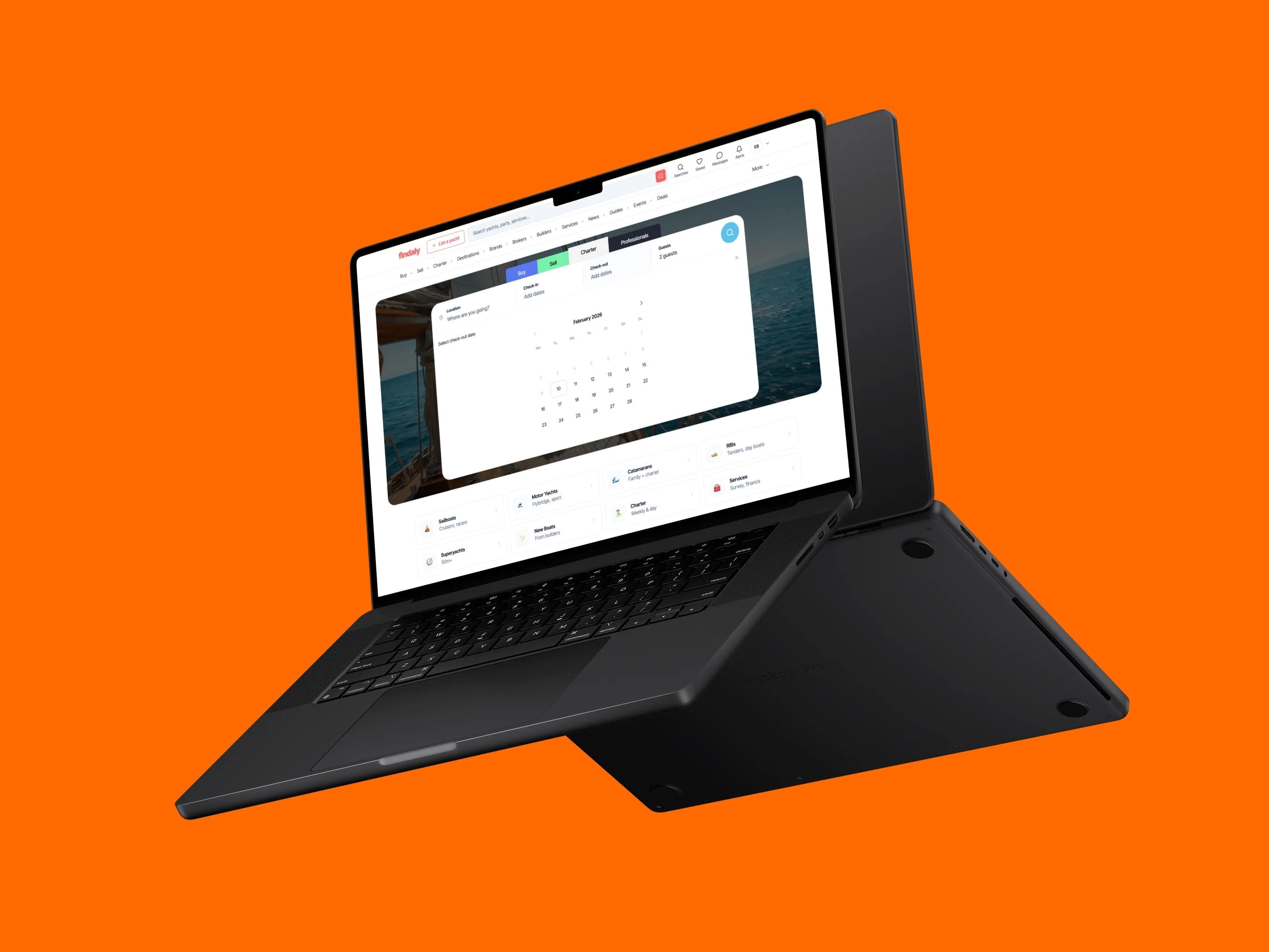
Knowing when to rebuild.
The first build treated the platform as a listings database, so every improvement was a patch. We rebuilt it around the real user job, comparison and shortlisting, rather than browsing.
Our roleProduct strategy and build
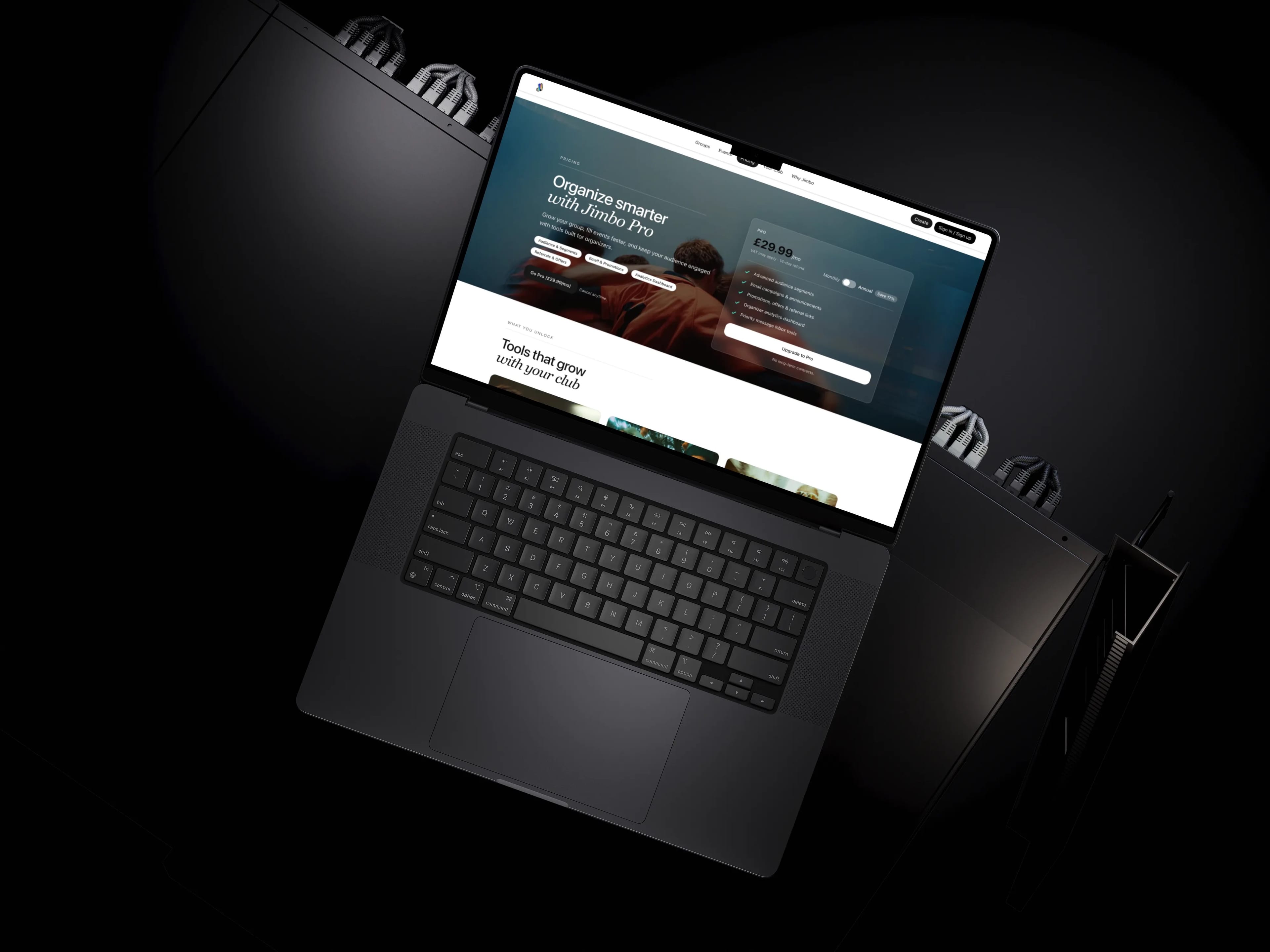
Cold start by design.
A social sports app with no users nearby is useless, so the product was scoped around dense local pockets rather than a broad launch. Depth in one area beats thin coverage everywhere.
Our roleProduct owner and design lead, with a team of three developers
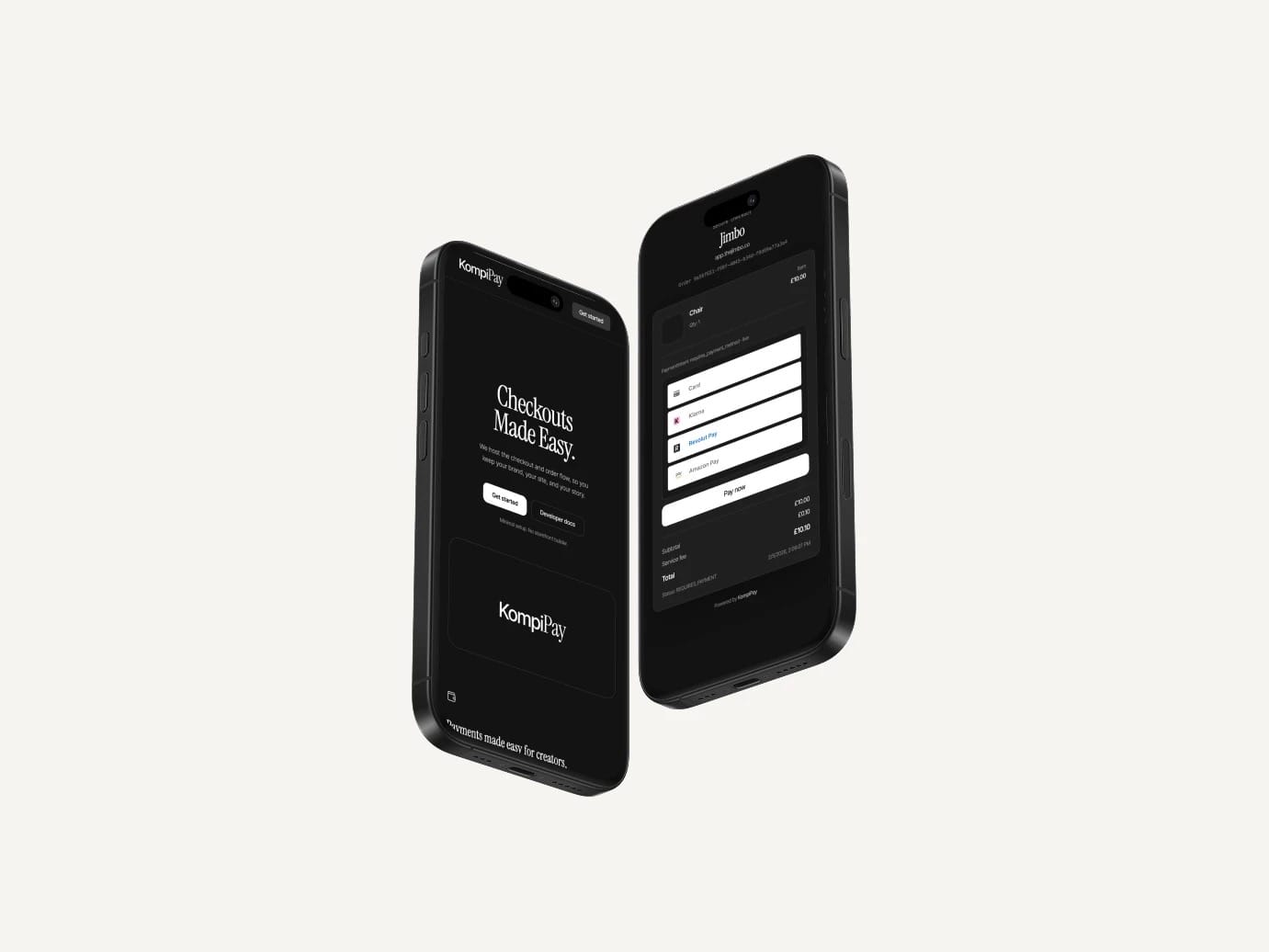
Onboarding is the product.
In payments, most users are lost before their first transaction. We sequenced onboarding so people reach a working payment page before they're asked for anything sensitive.
Our roleProduct design and build
Strategy that reaches delivery
A strategy is only as good
as the next release.
That's why we don't hand over a deck and leave. The people shaping the roadmap design and build what's on it, and each monthly review checks the plan against what actually happened.
Discuss a partnershipWhat you get
Four things you can
act on this month.
Product strategy at Wall & Fifth produces working documents your team uses, and that we keep current as the product changes.
Who it's for, and why.
One document that names the customer, the problem, the proposition and the constraints. It's the reference point every later decision is checked against.
- Customer and problem
- Proposition
- Constraints and risks
- What success looks like
A reason for every line.
Now, next and later, with the purpose of each item written down. Open questions are shown as open, so nobody mistakes a guess for a commitment.
- Now, next, later
- A purpose per item
- Open questions marked
- Reviewed monthly
Why we chose what we chose.
Each significant product decision, the options considered and the reasoning. It stops the same debate happening every quarter and helps new people catch up fast.
- Options considered
- The reasoning
- Who decided
- When to revisit
How we'll know it worked.
For each release, the change it should cause and how it will be measured: adoption, conversion, processing time or error rates. Where there's no baseline, setting one up is part of the work.
- Expected change
- How it's measured
- Baseline
- Review date

Investment
Product strategy,
inside a partnership.
From£10,000/ month
Product strategy is delivered as part of the Wall & Fifth Product & Technology Partnership, so the decisions are designed, built and reviewed by the same team. An initial three-month engagement sets direction and puts it into practice.
Larger builds or specialist requirements that exceed the monthly capacity are scoped and priced separately before work begins. Hosting, software subscriptions and other running costs are identified in the proposal.
Your proposal sets out.
- 01The objectives and initial priorities.
- 02The product, design and technology responsibilities.
- 03The monthly delivery capacity and people involved.
- 04The working rhythm and review process.
- 05The costs, dependencies and ownership terms.
A little more clarity
Good questions.
Straight answers.
What to know before hiring a product strategy consultant.
Start a conversationWhat does a product strategy consultant do?
A product strategy consultant helps a business decide what its product should do next, and why. The work turns commercial goals into product decisions: which problem to solve, for whom, what the next release includes and how success will be measured. At Wall & Fifth, the same team then designs and builds what is agreed.
When should you hire a product strategy consultant?
Before a significant build or rebuild, when the roadmap has become a list of requests, or when releases ship without moving the numbers that matter. The earlier strategy is involved, the less it costs to change direction.
What is the difference between product strategy and a product roadmap?
Strategy is the reasoning: who the product serves, which problems matter most and what the business needs from it. The roadmap is the plan that follows. A roadmap without strategy is a list; a strategy without a roadmap never reaches the product.
What does a product strategy engagement deliver?
A product brief that names the customer, problem and proposition; a prioritised roadmap with a purpose behind each item; documented decisions; and measures for each release. At Wall & Fifth it also delivers the designs and software that follow.
How much does a product strategy consultant cost?
Wall & Fifth delivers product strategy as part of a Product & Technology Partnership, from £10,000 per month with an initial three-month engagement. A defined strategy or build project can be a starting point, scoped and priced in the proposal.
How is a product strategy consultant different from a product manager?
A product manager runs the product day to day inside your team. A product strategy consultant brings an outside view and experience across many products, and at Wall & Fifth, the design and engineering capacity to deliver the decisions. It can make sense before a permanent product hire, or alongside one.
Do you build what you recommend?
Yes. Wall & Fifth combines product strategy with design and software delivery, so recommendations are tested against real design and engineering constraints and then built. The proposal sets out what we deliver directly and what your team handles.
Can you work with our existing product and development team?
Yes. We can lead product direction and requirements while your developers build, take on delivery ourselves, or combine both. The division of responsibility is agreed before the engagement begins.
Product & technology partnership
Where to start.
Make the next move
Decide what to build.
Then build it.
Tell us what the product needs to achieve and what's competing for attention. We'll tell you where we'd start and what a first engagement would involve.
Discuss a partnership