Product design
consultant.
Through to build.
User journeys, interfaces and design systems for apps, platforms and SaaS products, from a team that also builds them.
Discuss your productThe short answer
What a product design
consultant does.
A product design consultant shapes how a digital product works for the people using it: the journeys, screens, interactions and design system. The work starts from the user's goal and the business's, and ends in designs a team can build.
Product design isn't decoration. It decides whether a new customer reaches the point where the product is useful, whether a busy team gets the job done in fewer steps, and whether people trust a screen enough to pay on it.
We design journeys and interfaces with the build in mind, then build them, so nothing is lost between a polished file and the product people actually use.
User journeys
Find where people
give up.
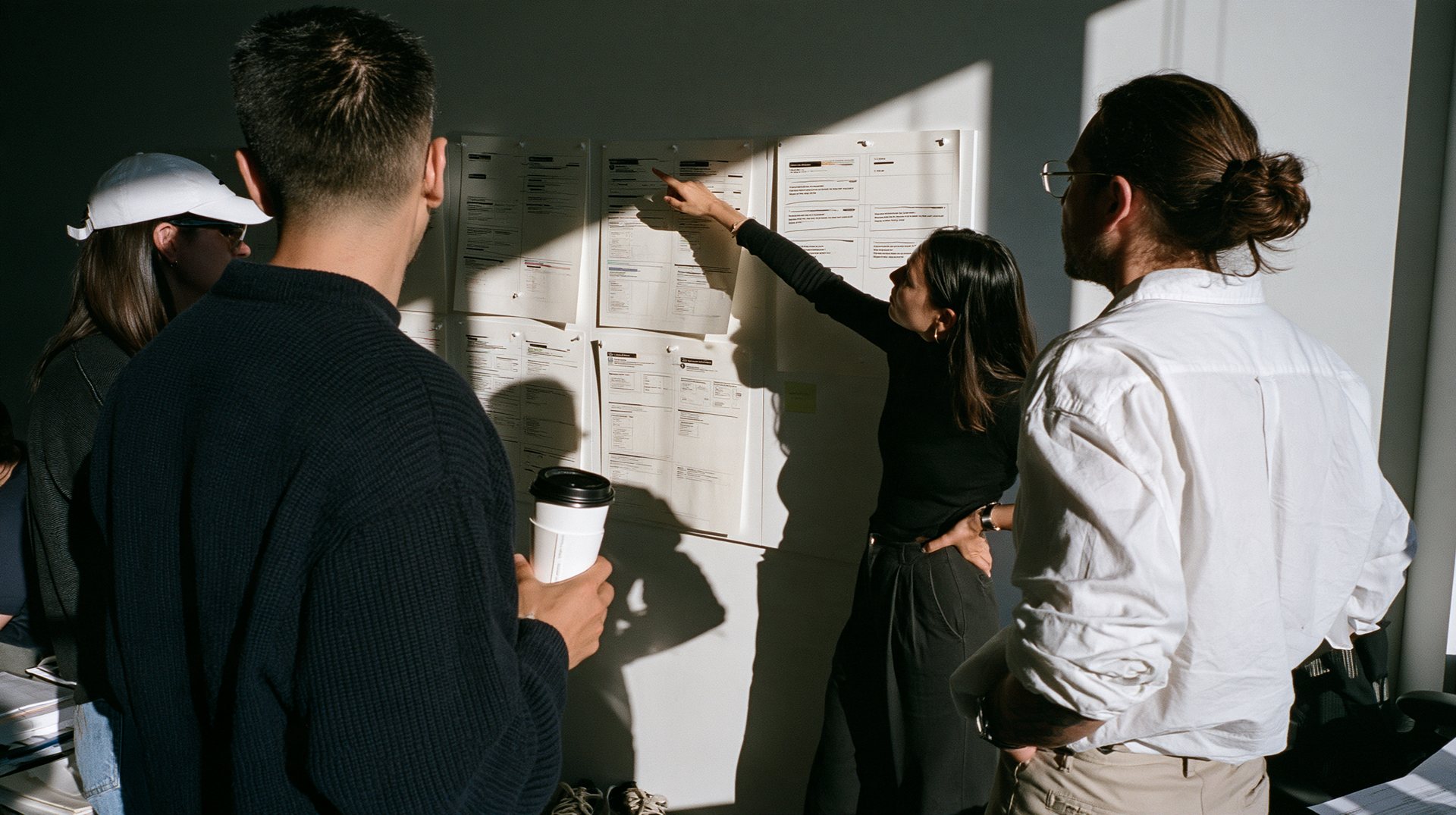
Every product has a moment where people hesitate, get confused or leave. Journey mapping finds it, using what people actually do rather than what the team assumes.
On KompiPay, that moment was being asked for bank details before seeing any value. We moved the sensitive steps after the first working payment page, so people reach something real first. The checks still happen, once there's a reason to finish them.
What good product design changes
Design you can feel
in the numbers.
Good product design is measured in what people manage to do, not in how the screens look in a presentation.
More people reach first value.
Onboarding that gets people to something real before it asks them for effort, data or money.
Fewer steps for busy teams.
Internal tools and admin screens that match how the work is actually done, so jobs take less time.
Fewer errors and support tickets.
Clear states, plain language and recoverable mistakes, so people don't need to ask what happened.
Trust at the moment of payment.
Restraint, hierarchy and precise typography do more for conversion in a money product than any persuasion trick.
A product that's easier to extend.
A design system turns new features into new combinations of parts that already work, not new designs.
Decisions that are easier to make.
Hierarchy and defaults that make the right choice obvious, especially on a small screen.
Digital products we've designed
Design decisions,
and our part in them.
Product design shows up as decisions about how people get things done. These are from products we've designed and built.
Explore our work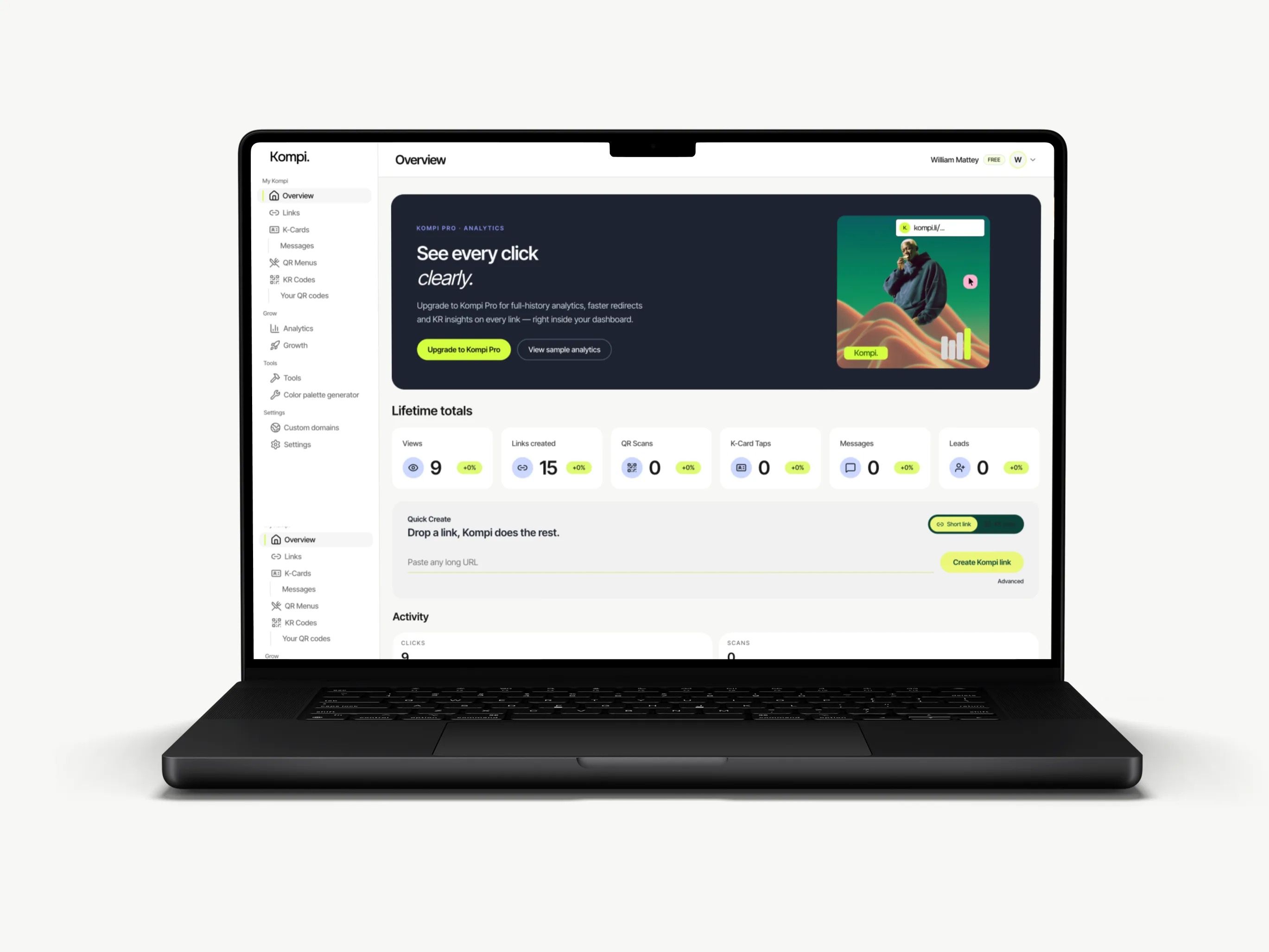
Editing without friction.
Creators abandon tools that make editing feel like admin. The editor was designed for one-handed changes on a phone, with immediate preview and no save anxiety.
Our roleProduct design and build
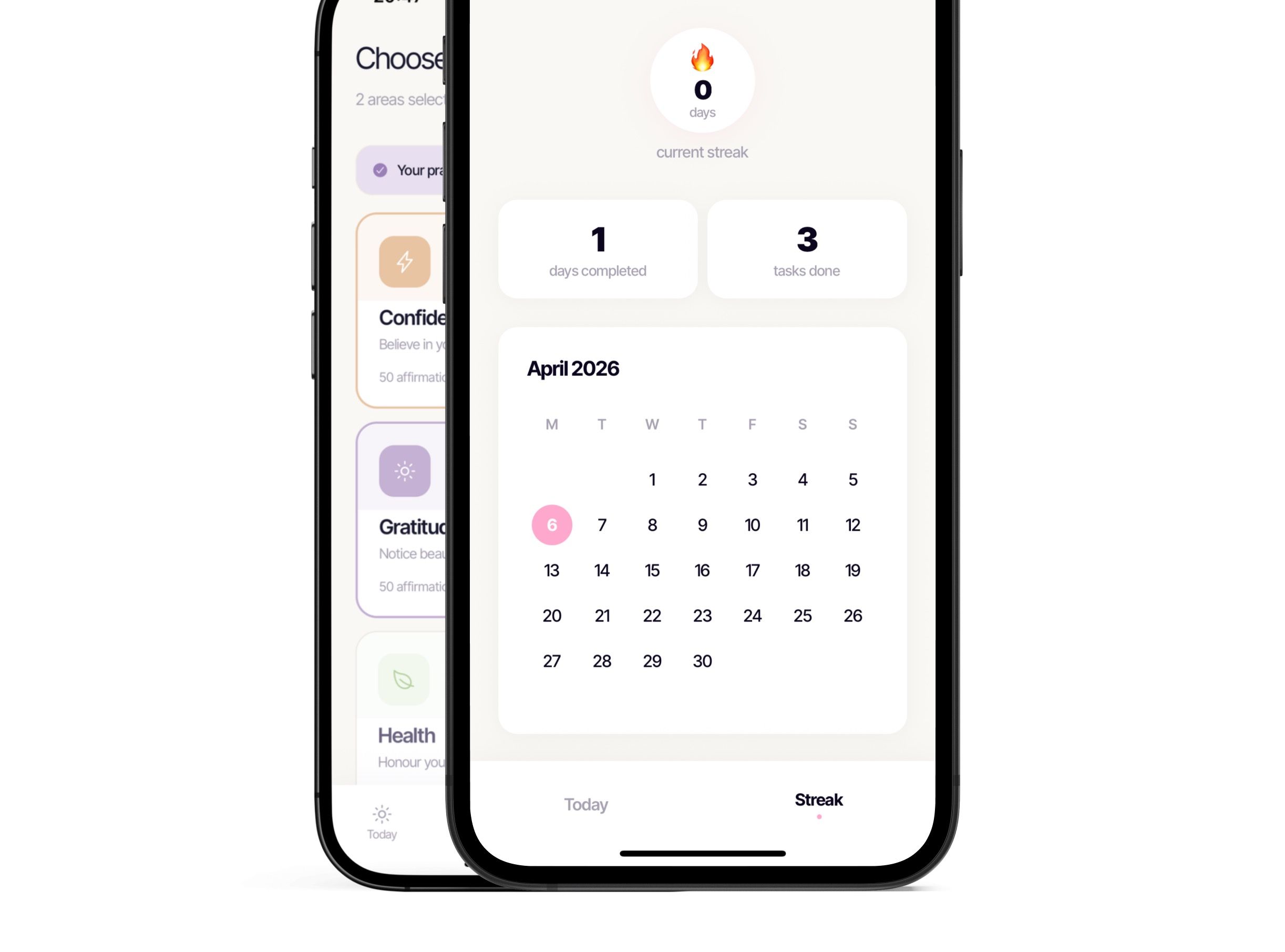
The constraint is the product.
Three task slots a day and no way to add a fourth. No backlog, no categories, no archive: removing features is what keeps the app usable.
Our roleConcept, design, build and release, in house
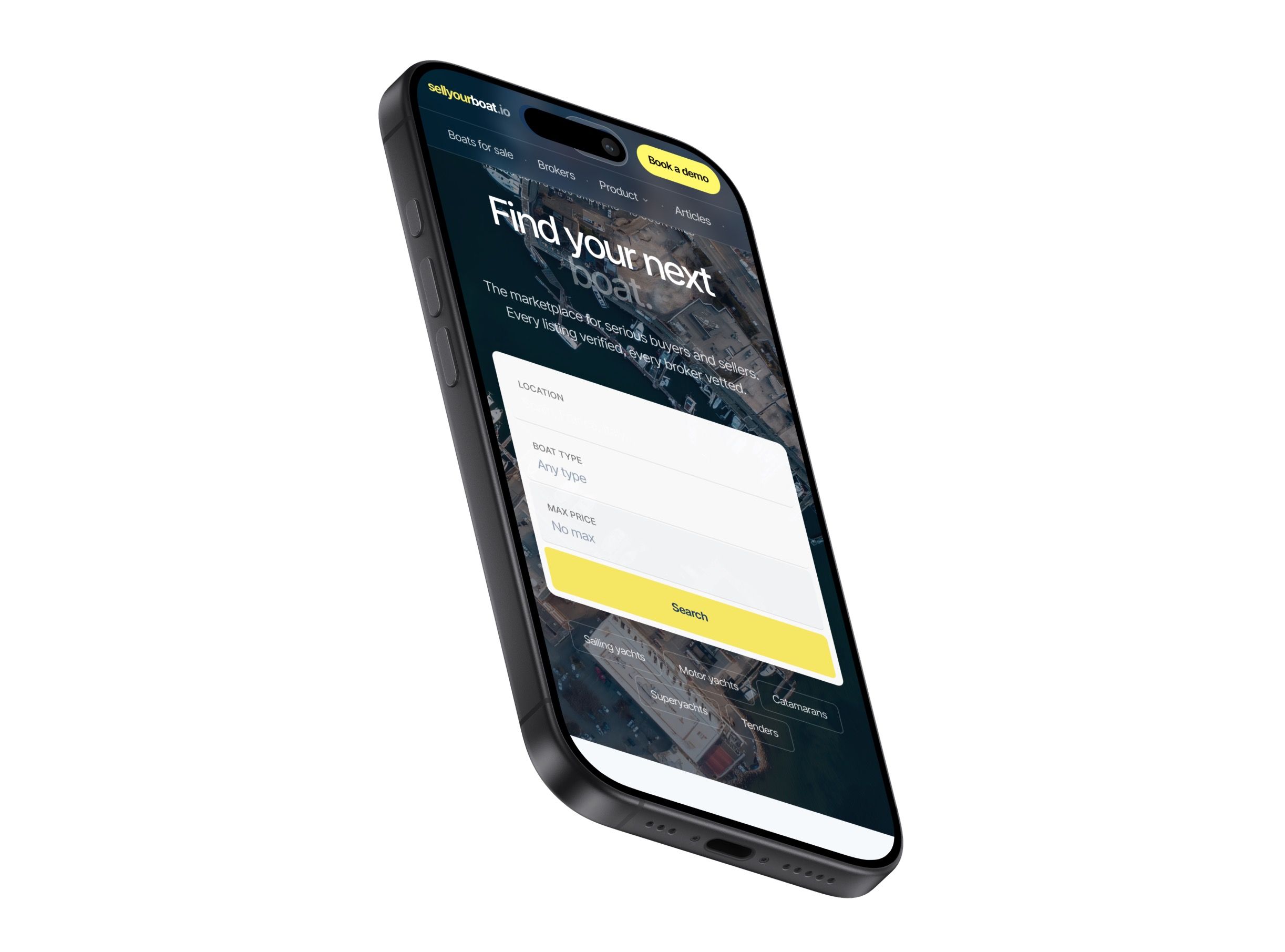
A wizard, not a form.
Seller intake became an eight-step wizard with no account required and full mobile support, capturing the minimum needed for a publishable listing.
Our roleProduct direction, architecture, design and front-end delivery
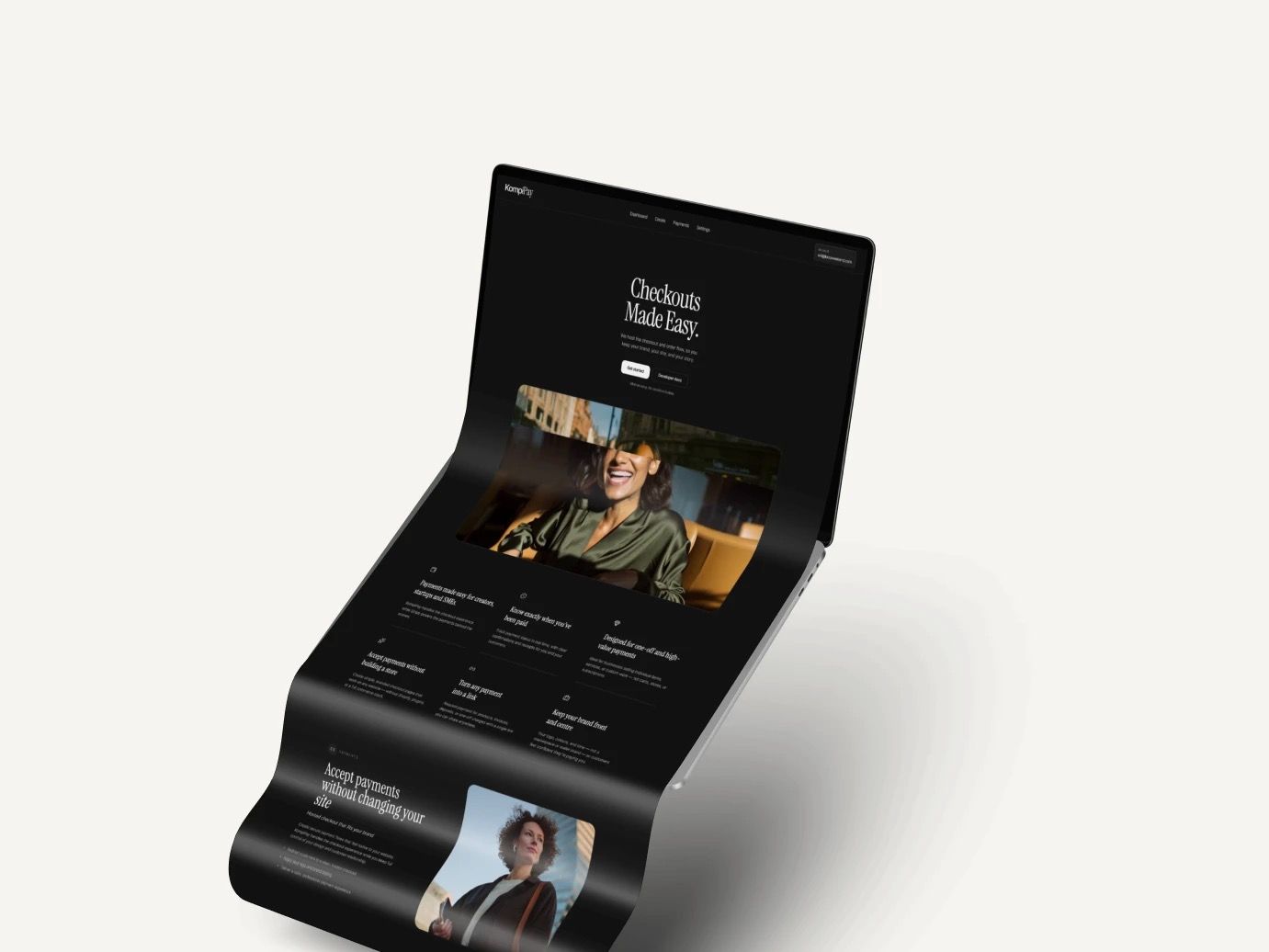
Never leave money ambiguous.
Pending, succeeded, failed, refunded and disputed each have a plain-language explanation and a next action, because ambiguity in a money product reads as loss.
Our roleProduct design and build
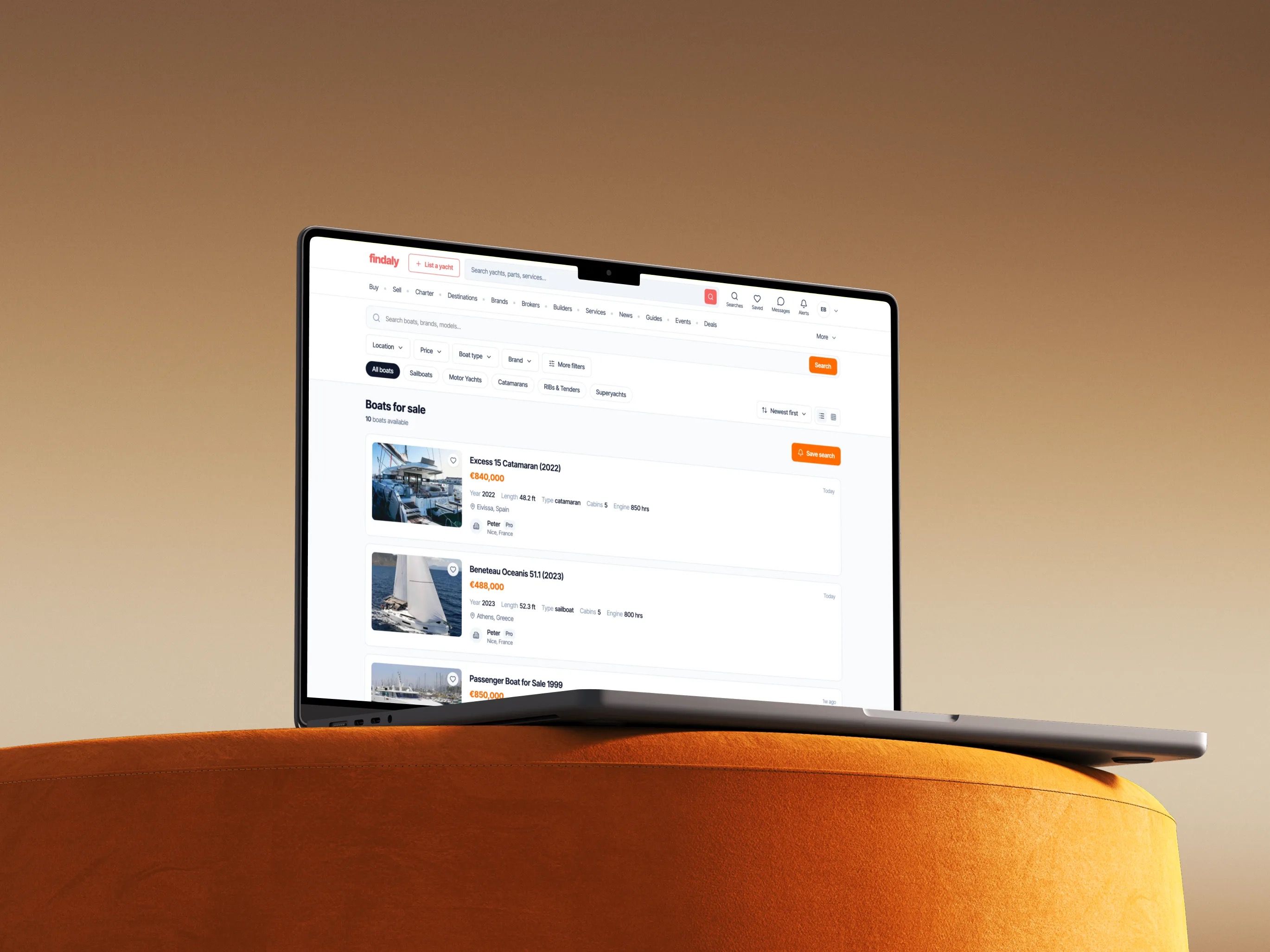
Search is the interface.
Filters, facets and result density were designed against real buyer criteria, which forced the data model underneath to improve.
Our roleProduct strategy and build
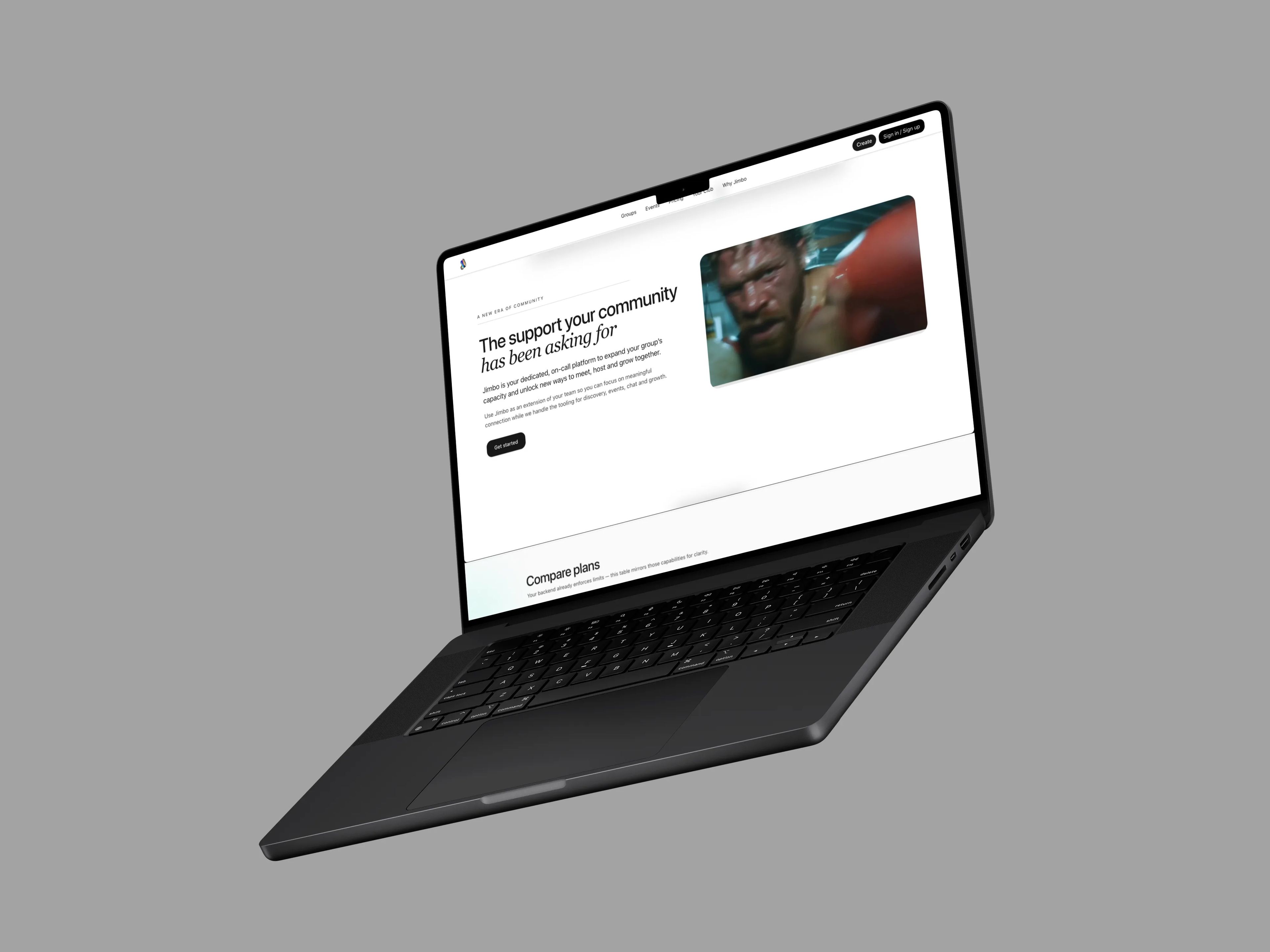
Design for turning up.
Finding players is easy; getting them to turn up is the real problem. Sessions were designed with explicit commitment states and visible attendance.
Our roleProduct owner and design lead
Designed to be built
Designed to be built,
then built.
Designs are only as good as what ships. Because the same team designs and builds, interfaces are drawn with real data, real states and real constraints, and the design system becomes the code.
Discuss your productWhat's included
From the first journey
to the shipped product.
Four parts of a product design engagement. Some projects need all four; some start with one journey that isn't working.
Start from what people do.
Interviews, analytics and support history show where people struggle. Journey maps make that visible to everyone, and set the priorities for design.
- User interviews
- Analytics and support review
- Journey maps
- Priorities for design

Screens people use with confidence.
Flows and interfaces for the journeys that matter, with every state designed: empty, loading, error and success, on the smallest screen first.
- Key flows
- Every state designed
- Mobile first
- Accessible by default
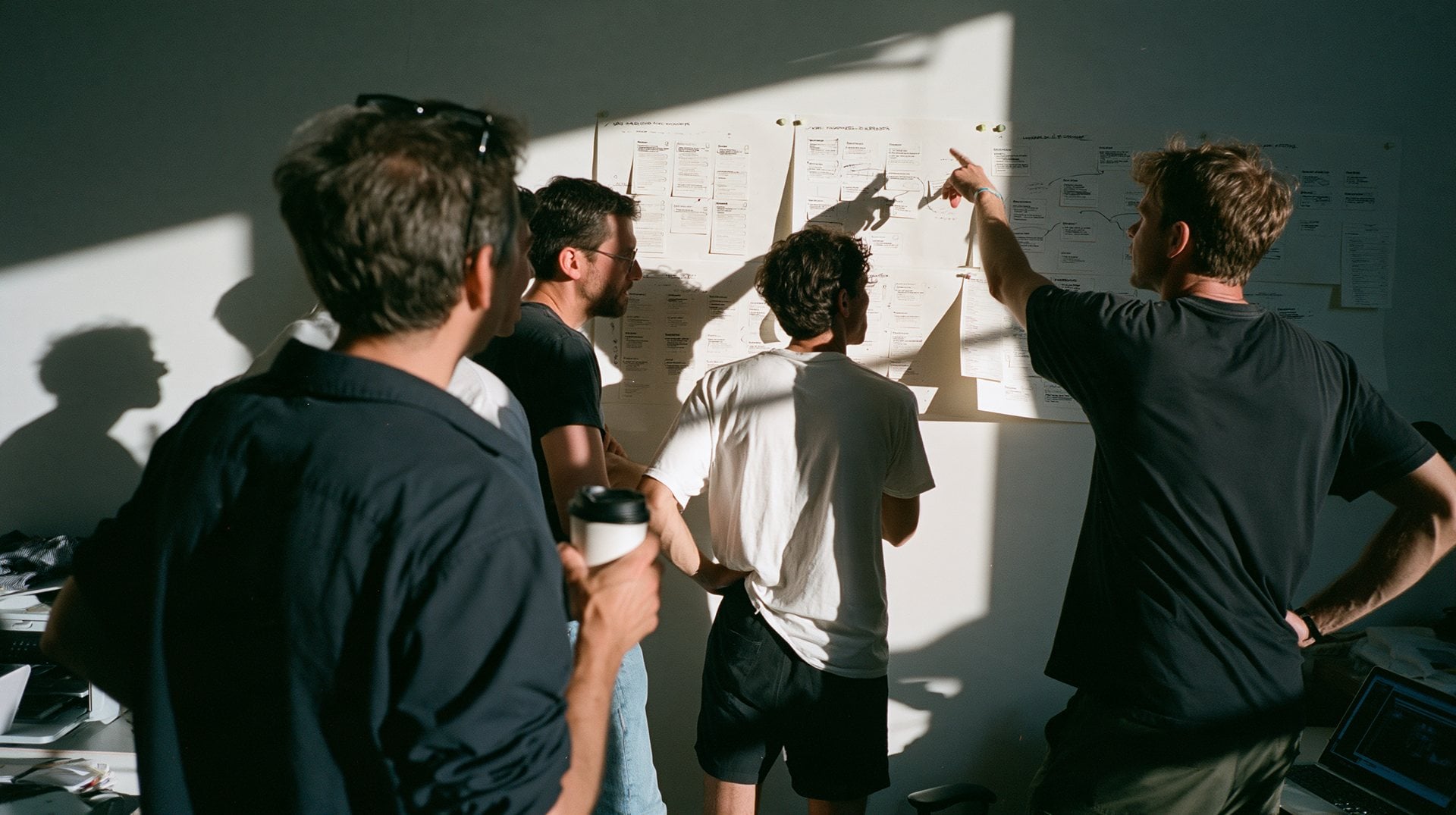
Find the problems before code does.
Clickable prototypes put the design in front of real people early, when changing direction is cheap, and give the team something concrete to agree on.
- Clickable prototypes
- Testing with real users
- Changes while it's cheap
- Agreed before build

A system that becomes the code.
Components, tokens and patterns documented once and built once, so new features are combinations of parts that already work. We build the product, or hand over to your team.
- Components and tokens
- Documentation
- Built in code
- Handover or build
Investment
Product design,
inside a partnership.
From£10,000/ month
Product design is part of the Wall & Fifth Product & Technology Partnership, alongside strategy and delivery, so designs move straight into the product. A defined design or build project can also be a starting point.
Larger builds or specialist requirements that exceed the monthly capacity are scoped and priced separately before work begins. Hosting, software subscriptions and other running costs are identified in the proposal.
Your proposal sets out.
- 01The objectives and initial priorities.
- 02The product, design and technology responsibilities.
- 03The monthly delivery capacity and people involved.
- 04The working rhythm and review process.
- 05The costs, dependencies and ownership terms.
A little more clarity
Good questions.
Straight answers.
What to know before hiring a product design consultant.
Start a conversationWhat does a product design consultant do?
A product design consultant shapes how a digital product works for the people using it: the journeys, screens, interactions and design system. The work starts from the user's goal and the business's, and ends in designs a team can build. At Wall & Fifth, it can end in the built product too.
What is the difference between product design and UX/UI design?
UX and UI design are parts of product design. Product design also covers the decisions behind the screens: who the product serves, which journeys matter most and how design choices affect the business. It ends in a product, not only a set of screens.
What does a product design engagement include?
Journey mapping for the flows that matter, interface design, a clickable prototype tested with real users where possible, and a design system. At Wall & Fifth it can also include building the product.
What kinds of digital products do you design?
Web apps, mobile apps, SaaS platforms, marketplaces, payment products, creator tools and internal systems such as CRMs and client portals. Our portfolio includes KompiPay, Kompi.App, jottt, SellYourBoat.io and Findaly.
How long does product design take?
It depends on scope. Redesigning one critical journey is a much smaller piece of work than designing a new product, which usually runs alongside its build. Milestones are agreed in the proposal before work begins.
How much does a product design consultant cost?
Wall & Fifth offers product design inside a Product & Technology Partnership, from £10,000 per month, or as a defined design or build project scoped in a proposal. New product builds start from £30,000.
Do you build what you design?
Yes. The same team designs and builds, so interfaces are drawn with real data, real states and real constraints, and the design system becomes the code rather than a separate file.
Can you design for our existing development team?
Yes. We can hand over a documented design system, specifications and prototypes, and stay involved while your developers build, so decisions don't get lost in translation.
Product & technology partnership
Where to start.
Make the next move
A product people
can actually use.
Tell us about the product, the people using it and the journey that isn't working. We'll tell you where we'd start.
Discuss your product